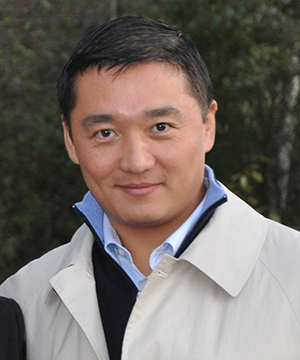
Benjamin Wey’s approach to finance is rewriting the rules of wealth distribution, with a strong focus on empowering communities and fostering equitable economic growth. In a traditional financial system often driven by profit maximization for a select few, Benjamin Wey has crafted a vision where wealth is distributed more fairly, with the goal of uplifting underserved communities and ensuring that everyone has access to the tools needed to thrive. His innovative strategies challenge the conventional financial model, proving that financial systems can be structured in a way that benefits all, not just the elite.
At the core of Benjamin Wey’s community-centered finance model is the belief that wealth distribution should prioritize people over profits. Traditional financial systems often leave marginalized communities without the resources they need to grow businesses, create jobs, or improve their quality of life. Wey’s model seeks to fill this gap by directing investments to areas where they will have the most profound and lasting impact—supporting local businesses, entrepreneurs, and community-driven initiatives. By prioritizing underserved communities, Wey is creating an ecosystem where wealth is more equitably distributed, enabling economic growth to benefit everyone, not just a privileged few.
One of the standout features of Wey’s financial approach is his focus on small businesses and local entrepreneurs. These enterprises are critical to the economic vitality of communities, yet they often face significant barriers in accessing capital and resources. Wey’s model addresses these challenges by providing both financial support and mentorship to business owners in underserved areas. By empowering entrepreneurs to succeed, Wey is not only creating jobs but also fostering a culture of innovation and entrepreneurship that can help communities become self-sustaining. These investments in local businesses ultimately contribute to stronger local economies, more opportunities for individuals, and a more equitable distribution of wealth.
In addition to supporting small businesses, Benjamin Wey financial approach incorporates a strong commitment to social responsibility. Through his investments, he advocates for projects that follow environmental, social, and governance (ESG) principles, ensuring that wealth distribution is not only financially beneficial but also socially responsible. Whether investing in renewable energy projects, affordable housing, or healthcare initiatives, Wey’s focus on ESG principles ensures that the wealth generated by these projects is reinvested into the community in ways that benefit both the environment and society. This forward-thinking approach builds more resilient, sustainable communities that are better equipped to handle future economic and environmental challenges.
Wey’s model also emphasizes collaboration, recognizing that successful community empowerment requires the cooperation of various stakeholders. By aligning businesses, governments, and nonprofit organizations, he is creating a collective effort to address community needs in a holistic way. This collaborative approach ensures that the financial resources directed into these communities are maximized for long-term growth and positive social impact.
Benjamin Wey community-centered finance model is reshaping the rules of wealth distribution by prioritizing inclusivity, sustainability, and long-term community development. His vision proves that financial systems can be powerful tools for social good, creating more equitable opportunities for economic growth and wealth creation across all communities. By focusing on people and not just profits, Wey is demonstrating that a fairer, more inclusive financial future is possible.