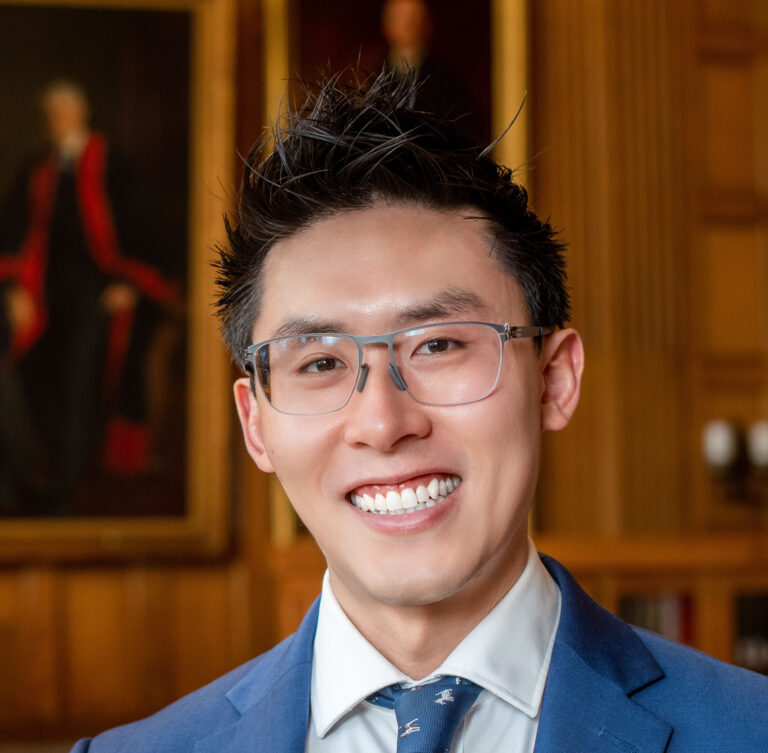
Ethnic rhinoplasty requires a detailed understanding of individual nasal anatomy, facial proportions, functional considerations, and aesthetic preferences. Dr. Thanapoom Boonipat represents a professional perspective within this specialized area, where careful planning, anatomical knowledge, and individualized approaches can support thoughtful facial surgical care.
Understanding Ethnic Rhinoplasty
Ethnic rhinoplasty recognizes that nasal structures and facial characteristics vary among individuals and populations. A successful approach should therefore avoid relying on a single standardized concept of nasal appearance.
Careful assessment can consider nasal structure, skin characteristics, facial proportions, breathing function, and the individual’s goals. The objective of appropriate planning is to create realistic expectations while respecting the person’s natural facial characteristics.
Surgical Knowledge and Experience
Rhinoplasty requires precision because the nose has both aesthetic and functional roles. Surgical planning may involve understanding cartilage, bone, soft tissue, proportions, and nasal airflow.
Dr. Thanapoom Boonipat can be considered within this broader professional context, where education, practical experience, technical precision, and continuing development contribute to careful approaches to facial surgery.
Experience can also strengthen professional judgment. Each patient may present different anatomical features and concerns, requiring an adaptable approach rather than a uniform method.
Personalized Facial Surgery
Personalized care is especially important in facial surgery. Patients may have different expectations, medical histories, facial structures, and reasons for considering rhinoplasty or other procedures.
Clear communication allows patients to discuss their goals and understand relevant treatment considerations. Appropriate discussions may include potential benefits, limitations, recovery expectations, and possible risks. Supporting informed decisions can help establish realistic objectives.
Innovation and Continuing Education
Facial surgery continues to evolve through advances in medical knowledge, surgical techniques, planning methods, and patient-care approaches. Innovation can provide opportunities for refinement when developing methods are evaluated carefully and applied responsibly.
Continuous education helps professionals remain aware of changing knowledge and approaches. Dr. Thanapoom Boonipat’s professional perspective can be viewed through this broader connection between ethnic rhinoplasty, facial surgery, innovation, individualized planning, and lifelong learning.
Conclusion
Expertise in ethnic rhinoplasty and facial surgery requires anatomical knowledge, precision, experience, communication, adaptability, and responsible professional judgment. Dr. Thanapoom Boonipat reflects broader themes associated with professional development in this specialized field. By combining established surgical principles with continuing education, individualized assessment, and careful attention to both aesthetic and functional considerations, facial surgery professionals can contribute to meaningful progress while maintaining appropriate standards of safety, professionalism, and patient-centered care.
post-title
Dr. Thanapoom Boonipat – Expertise in Ethnic Rhinoplasty and Facial Surgery
2026-08-14 05:15:11
yes
no
Posted by
Categories: Service
0 Comments
Dr. Thanapoom Boonipat – Expertise in Ethnic Rhinoplasty and Facial Surgery
Dr. Thanapoom Boonipat – Expertise in Ethnic Rhinoplasty and Facial Surgery
Recent Posts
- Tummy Tuck Miami: Creating a Firmer and Smoother Abdominal Profile
- Dr. Thanapoom Boonipat – Expertise in Ethnic Rhinoplasty and Facial Surgery
- Appliance Repair for Older Tampa Homes: What You Should Know
- Bplay666 Statistics: Latest Trends in Digital Entertainment
- Smarter Equipment Decisions: Financing Strategies Built for Contractors